
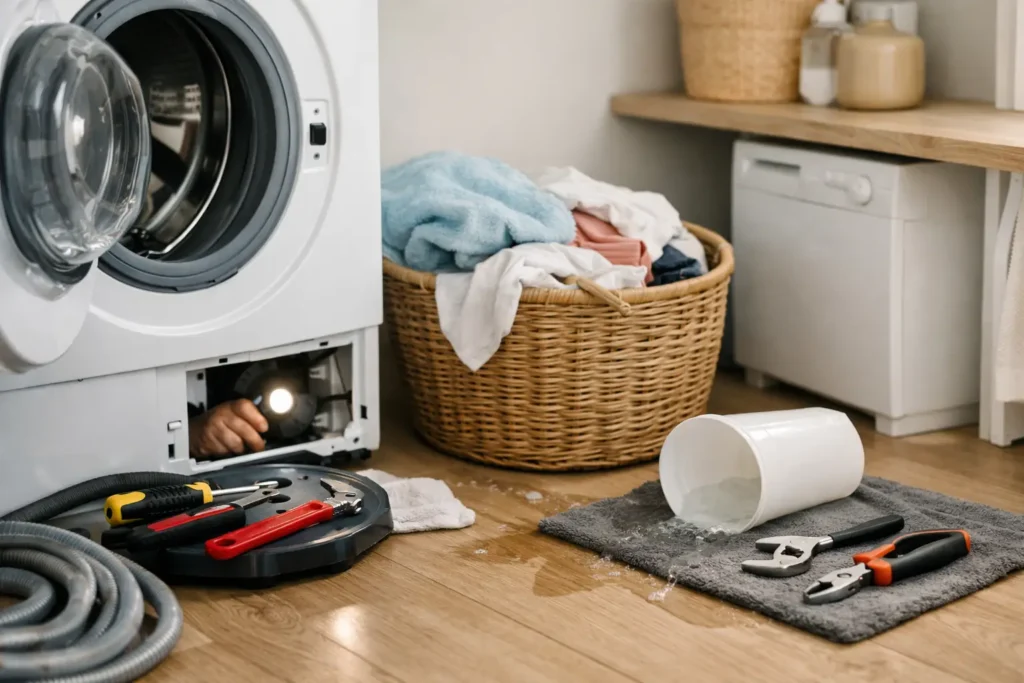
A laundry room outage in a multi-unit building rarely stays a small problem for long. One washer down can push extra loads onto the remaining machines. One dryer heating poorly can create a line, a stack of complaints, and frustrated tenants asking when it will be fixed. For property managers and building owners, speed matters – but so does getting the repair done right the first time.
Why multi unit building laundry room repair needs a different approach
A shared laundry room is not the same as a single appliance in a house. Usage is heavier, wear shows up faster, and small performance issues turn into building-wide problems. A drain issue that might be an annoyance in a home can shut down multiple machines in a common laundry room. A bad door switch, worn belt, faulty control board, or heating issue can affect tenant schedules every day until it is repaired.
That is why multi unit building laundry room repair should start with accurate diagnosis, not guesswork. Replacing parts too quickly can waste time and money, especially when the real issue is electrical supply, vent restriction, drainage, overloading, or a maintenance-related problem. In a building setting, the right first visit saves more than the repair cost. It reduces repeat calls, tenant frustration, and unnecessary downtime.
What usually goes wrong in shared laundry rooms
Most building laundry room problems fall into a few categories, but the cause is not always obvious from the symptom. A washer that will not spin may have a lid lock problem, motor issue, drive failure, or a drain system blockage. A dryer that runs but does not dry properly may point to a heating component failure, airflow restriction, thermostat issue, or exhaust vent problem.
Leaks are another common call, and they need prompt attention. In a multi-unit property, even a small water leak can damage floors, walls, and adjacent spaces if it is ignored. Noise complaints also matter more than people realize. Grinding, thumping, squealing, and vibration are often early warning signs that a machine is close to a larger failure.
Coin-operated and shared-payment machines add another layer. Sometimes the appliance itself is working, but the access controls, timers, or usage systems are not. In those cases, a complete diagnosis matters because the problem may involve both the machine and the supporting components around it.
Common warning signs managers should not ignore
If machines are taking longer to finish loads, stopping mid-cycle, leaving clothes too wet, overheating, failing to start, or tripping breakers, service should be scheduled before the issue spreads. In a busy laundry room, delayed repairs almost always lead to more wear on the remaining machines.
The real cost of waiting
When a laundry room is partially down, residents do not measure the problem by repair complexity. They measure it by inconvenience. If they have to wait for open machines, re-run loads, or go off-site to do laundry, dissatisfaction rises quickly. For rental properties, that affects more than day-to-day operations. It can affect reviews, renewals, and the overall perception of building management.
There is also the repair cost itself. A dryer with restricted airflow may keep running for a while, but poor venting can damage components and create a safety concern. A washer with a drain issue can strain the pump and cause a larger failure. A machine that is wobbling excessively can damage internal parts, flooring, or nearby units. Fast action is usually the lower-cost option.
What good service looks like in a building setting
Property managers need more than a technician who can replace a part. They need a service partner who shows up prepared, communicates clearly, and understands that every hour of downtime affects multiple residents. That means fast scheduling, professional on-site diagnosis, and upfront pricing after the issue is identified.
Certified and fully insured technicians matter here. Shared laundry rooms involve heavy-use equipment, common-area access, and potential safety concerns around electricity, gas, venting, and water. Professional workmanship protects the building, the residents, and the owner. It also reduces the risk of a temporary fix that fails again next week.
Clear communication is just as important. Managers should know what failed, what repair is recommended, whether there are contributing issues like vent buildup or drainage problems, and what the expected next step will be. That kind of service keeps everyone aligned and makes it easier to respond to tenants with confidence.
Multi unit building laundry room repair and recurring issues
Some laundry rooms generate repeat service calls because the machine is not the only problem. The room itself may be contributing to the breakdowns. Poor ventilation, clogged exhaust runs, unstable flooring, overloaded circuits, bad drainage, or improper installation can shorten equipment life and cause recurring performance issues.
This is where experience matters. A technician who only addresses the failed part may get the machine running again, but a technician who looks at the operating environment can help prevent the next interruption. That does not mean every service call turns into a major project. It means the diagnosis should account for real building conditions, not just the symptom in front of the machine.
There is also a practical trade-off. In some cases, repair is clearly the right call. In others, repeated failures on an older machine may suggest that continued repair costs are adding up. A disciplined service process should be honest about that. The goal is not to push unnecessary work. The goal is to help the building make the right decision based on condition, safety, downtime, and total cost.
Repair versus replace in shared laundry rooms
If a newer washer or dryer has a targeted part failure, repair is usually the smart move. If an older machine has multiple system problems, inconsistent performance, and a history of breakdowns, replacement may be more cost-effective. It depends on age, parts availability, usage level, and whether the current setup is causing repeat strain.
How to reduce laundry room downtime between service calls
No building can eliminate wear, but smart maintenance habits can reduce avoidable failures. Keeping dryer vents and exhaust pathways clean is one of the biggest steps. So is watching for slow drains, leaks, unusual noise, and loose or unstable machines before they become shutdowns.
It also helps to address tenant misuse where possible. Overloading, forcing doors, using the wrong detergent, or ignoring posted instructions can shorten equipment life. In shared spaces, simple signage and routine checks can make a difference.
Still, maintenance has limits. When a machine stops working, the priority should be professional diagnosis from a qualified repair company that can move quickly. Delaying service to see if the issue clears up on its own usually means longer downtime and more frustration.
Choosing a repair company for a shared laundry room
For property managers, the right service company is the one that combines speed with accountability. Same-day availability when possible is valuable, but only if the work is accurate. Look for certified, fully insured technicians, clear communication, and upfront pricing after diagnosis. Those basics matter because they reduce surprises and help you make quick, informed decisions.
A local company also has a practical advantage. Faster dispatch, familiarity with the area, and a service-first mindset can make a real difference when tenants are waiting. For multi-unit properties across Northern New Jersey and nearby service areas, United Technical Services provides washer and dryer repair with professional diagnosis, dependable workmanship, and service designed to minimize disruption.
When to call now
If your building laundry room has machines that are down, leaking, overheating, running noisy, failing to dry, or stopping mid-cycle, do not wait for a full outage. Shared laundry equipment does not get less stressed with time. The longer one machine struggles, the harder the rest of the room has to work.
The best repair calls are the ones made before a manageable problem turns into a bigger one. Fast scheduling, clear communication, and upfront pricing give property managers what they actually need – a repair process that is efficient, predictable, and done right the first time.
A working laundry room keeps a building moving, and the right repair partner helps you protect that without adding confusion or delays.